WELLNESS
MUTI DAILY and liver health: what your liver runs on
By Sebastian, Founder · 27 October 2026 · 9 min read
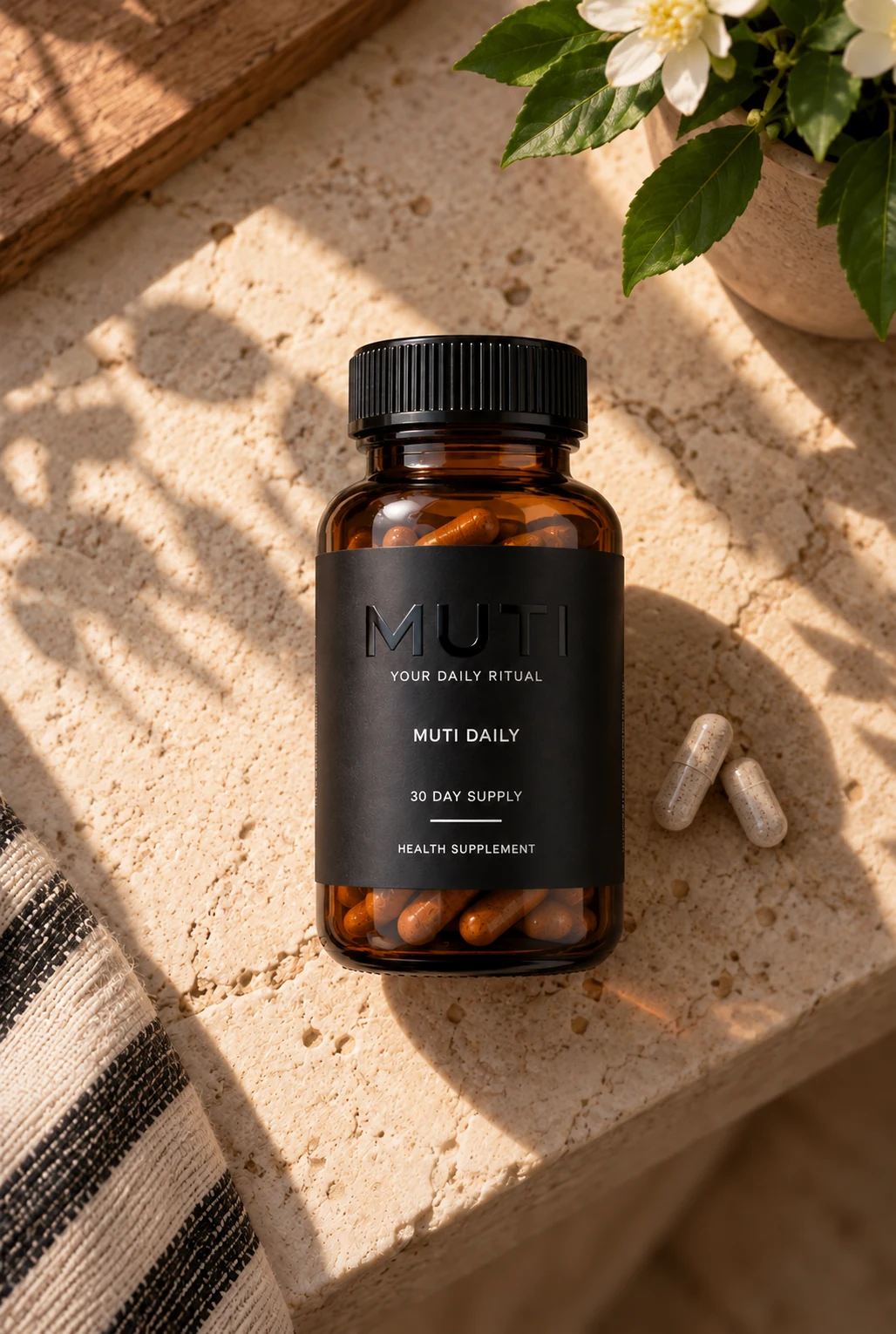
Your liver is the hardest-working organ in your body. Every hour of every day it clears what you eat and drink, makes the proteins your blood depends on, stores energy and releases it when you need it, and protects its own cells while it does all of it. That work never stops, and it runs entirely on vitamins and minerals.
Give your liver the right nutrients and it has everything it needs to keep doing its job. Run short, and the busiest organ you own is working without its tools. Here is exactly what your liver runs on, what the research shows, and how MUTI DAILY covers every part of it. Every study is linked at the bottom.
How your liver clears alcohol
Almost all the alcohol you drink is broken down in your liver, first into acetaldehyde, a toxic compound, and then into acetate, which your body can use [1]. Both steps are driven by enzymes that run on NAD, a carrier molecule your body makes from vitamin B3 [1]. No B3, no clean-up.
That clean-up comes at a cost. It throws off reactive oxygen species, the unstable molecules behind oxidative stress, and in people with alcohol-related liver damage, researchers consistently find the body's own defences depleted: glutathione, vitamin E, vitamin C and selenium [2]. Those are precisely the nutrients your liver needs more of, not less.
Vitamin C, vitamin E and selenium: your liver's shield
Your liver cells defend themselves with a team of antioxidants, and selenium sits at the heart of it. It powers glutathione peroxidase, one of the main enzymes that neutralises the damaging by-products of the liver's work [3]. Vitamin E guards the fats in every cell membrane against oxidation, and vitamin C keeps vitamin E working.
Vitamin E has the strongest trial evidence of any single vitamin for the liver. In a two-year randomised trial published in the New England Journal of Medicine, 247 adults with a diagnosed fatty liver condition took vitamin E, a prescription medicine or a placebo. Vitamin E beat the placebo: 43% improved on the study's liver measures against 19%, and their liver enzymes and liver fat came down [4]. That trial used a medical dose under a doctor's care, so it is not a reason to dose yourself, but it shows just how closely vitamin E is tied to healthy liver cells.
Selenium points the same way. Most experimental studies show selenium working in the liver's favour, largely through glutathione peroxidase [3].
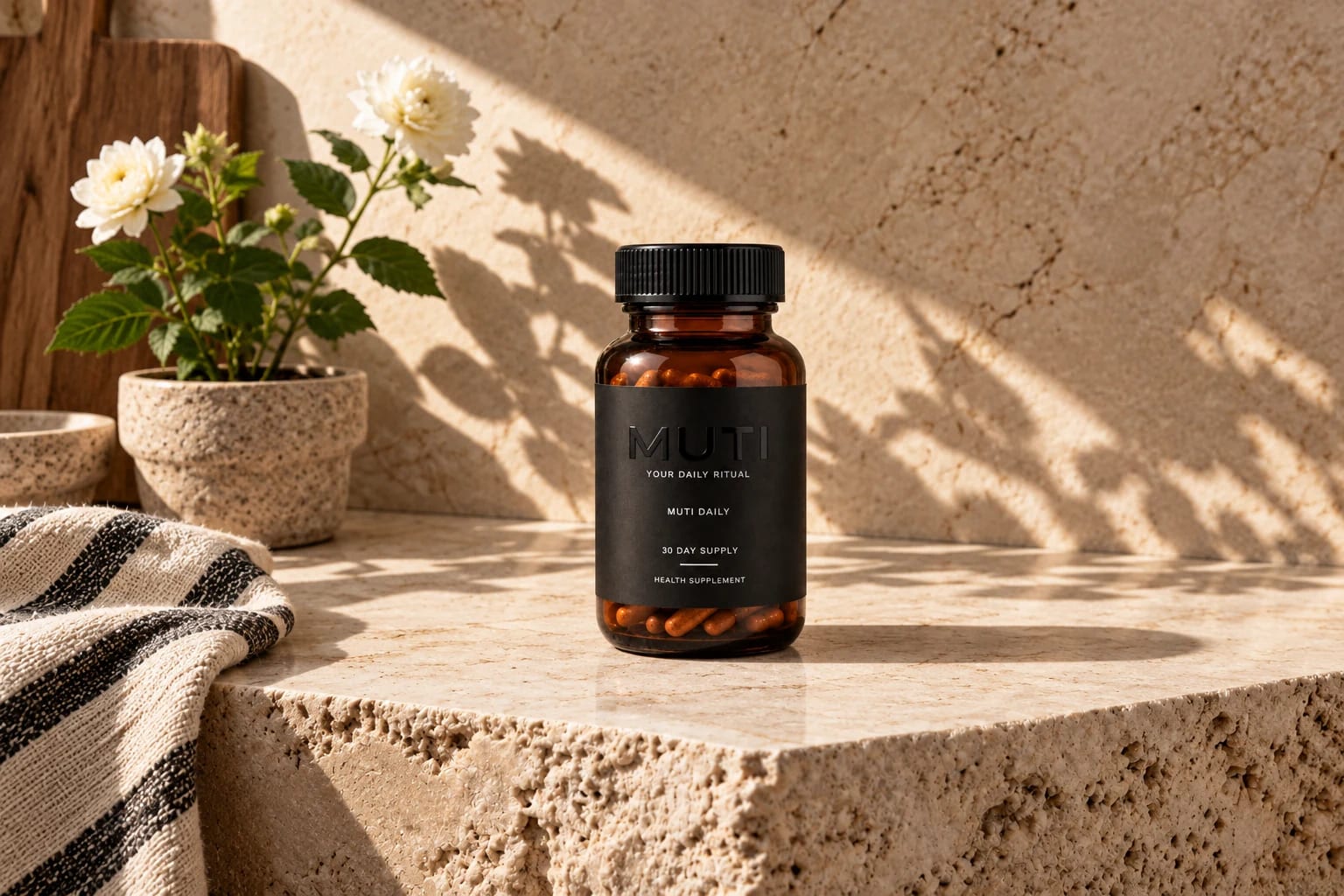
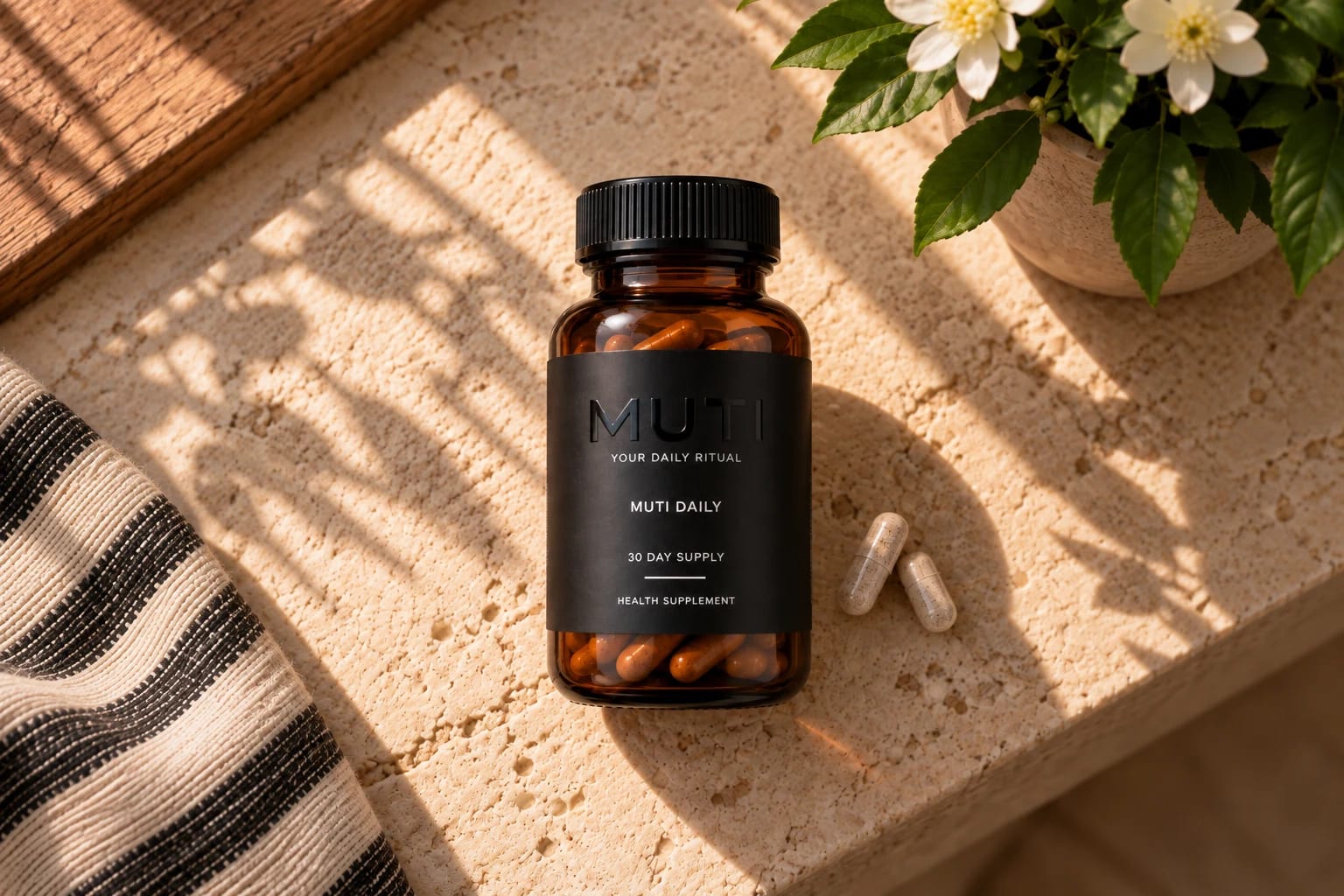
MUTI DAILY gives you 200 mg of vitamin C as calcium ascorbate, 20 mg of vitamin E and 100 µg of selenium, every single day.
Zinc: the mineral your liver runs low on
Zinc is essential for normal liver function, and your liver is where your body manages it. Low zinc shows up again and again in both short and long-term liver problems, partly because diets fall short and partly because more is lost in urine [5]. Your liver needs zinc for cell division, the constant renewal that replaces its worn cells, and zinc carries antioxidant and anti-inflammatory roles of its own [5].
MUTI DAILY gives you 15 mg of zinc as zinc bisglycinate, the chelated form your body absorbs best and your stomach handles easily.
Magnesium: the link that stands out
In a study of 13,504 American adults whose livers had been scanned by ultrasound, every extra 100 mg of magnesium a day was linked to a 49% lower risk of dying from liver disease. The link was strongest of all in people who drank alcohol or had a fatty liver [6].
It is a link, not a controlled trial, but it lines up with what is already known: people with a fatty liver are at high risk of running low on magnesium [6], and magnesium drives the reactions that turn your food into energy.
MUTI DAILY gives you 150 mg of magnesium as magnesium bisglycinate, the gentle, highly absorbed form.
B vitamins: your liver's clean-up crew
Thiamine, vitamin B1, is the helper your body needs to turn carbohydrate into energy, and regular drinking drains it three ways at once: you take in less, absorb less and use it less well [7].
Vitamin B3 makes the NAD that alcohol breakdown runs on [1]. Folate, vitamin B12 and vitamin B6 drive methylation, one of the liver's core chemical processes, and riboflavin, vitamin B2, forms another of the carriers your liver's enzymes depend on. Take one away and the whole crew slows down.
MUTI DAILY gives you all eight B vitamins: 3 mg of thiamine, 3 mg of riboflavin as riboflavin-5-phosphate, 16 mg of nicotinamide, 10 mg of pantothenic acid, 5 mg of B6 as P-5-P, 400 µg of folate as L-5-MTHF, 100 µg of B12 as methylcobalamin and 100 µg of biotin.
Molybdenum: the one almost nobody includes
Molybdenum powers four enzymes in your body. One of them, sulfite oxidase, breaks down sulphur compounds, and another, aldehyde oxidase, helps process aldehydes and other compounds [8]. Sulphites are the preservatives in wine and a great deal of processed food.
Most multivitamins leave molybdenum out because nobody asks for it. MUTI DAILY gives you 50 µg every day, because your liver uses it every day.
Why MUTI DAILY is the best supplement you can take for your liver
Your liver does not do one job, so it cannot be supported from one direction. That is the problem with almost everything sold for the liver: a single herb, a short detox or a proprietary blend that will not tell you how much of anything is inside. MUTI DAILY was built the other way round, starting from everything your liver actually runs on.
- Complete. 23 vitamins and minerals in one formula, covering every system in this article: the antioxidant shield, the clean-up crew, cell renewal and energy. Nothing your liver needs is left for another bottle.
- Active forms. The B2, B6, folate and B12 are already in the form your body uses, so they go to work without a conversion step that many people do slowly.
- Forms your body absorbs. Zinc and magnesium come as bisglycinate chelates, not the cheap oxides that barely get in, and every mineral is chosen for how well it is taken up, not how little it costs.
- The trace minerals others skip. Selenium and molybdenum are here at full daily amounts, because your liver's enzymes need them every day.
- Nothing hidden. Every nutrient, every form and every amount is printed on the label. No proprietary blends, no secret doses.
- Lab tested and certified, non-GMO and allergen free.
- Two capsules, once a day. No cleanses, no cycles, no powders to mix. One morning habit you will actually keep.
- Your whole body benefits, not only your liver. The same 23 nutrients back your immune system, your energy, your skin, your bones and your mind.
- Backed by a 90-day money-back guarantee. Take it for 90 days, and if you are not happier you tried it, you get your money back.
What it means for you
Your liver needs a steady daily supply of these nutrients, and a normal week of work, stress, alcohol and processed food uses them up faster than most diets put them back. Covering them every day is the single simplest thing you can do for your liver. With two capsules of MUTI DAILY every morning:
- Selenium and vitamins C and E help protect your cells from oxidative stress.
- Zinc, folate and vitamin B12 support normal cell division, the renewal your liver depends on.
- Vitamin B6, folate, vitamin B12 and molybdenum support the metabolism of sulphur amino acids and homocysteine.
- Thiamine, pantothenic acid, vitamin B12 and magnesium support normal energy-yielding metabolism, which is why so many people notice steadier energy and easier mornings within a few weeks.
MUTI DAILY gives your liver what it runs on. It does not cancel out heavy drinking and it is not a treatment for any liver condition, so if you have one, or your blood tests show raised liver enzymes, speak to your doctor before you start anything new.
COMMON QUESTIONS
- Is MUTI DAILY good for your liver?
- Yes. MUTI DAILY gives your liver what it runs on, every day: selenium and vitamins C and E to help protect its cells from oxidative stress, zinc, folate and vitamin B12 for the cell renewal it depends on, all eight B vitamins with B2, B6, folate and B12 in their active forms, magnesium for energy and molybdenum, which most multivitamins leave out. 23 nutrients in two capsules a day, every form and amount on the label, backed by a 90-day money-back guarantee. It is daily support, not a treatment for any liver condition.
- What vitamins and minerals does the liver need?
- Antioxidants such as vitamin C, vitamin E and selenium to protect its cells; zinc, folate and vitamin B12 for the cell renewal it depends on; the B vitamins, including thiamine and niacin, for clearing what you eat and drink; magnesium for energy; and trace minerals such as molybdenum. MUTI DAILY carries all of them in one two-capsule daily dose.
- Can a supplement repair your liver?
- No supplement repairs a damaged liver or treats a liver condition. Your liver renews its own cells all the time, and that work depends on nutrients such as zinc, folate and vitamin B12. A daily supplement makes sure those nutrients are there. If you have a liver condition, follow your doctor's advice.
- Is MUTI DAILY a liver detox?
- No. There are no laxatives, no fasting and no herbs that send you to the bathroom. Your liver already clears waste every hour of every day; MUTI DAILY supplies the nutrients that work runs on.
- Can I take MUTI DAILY if I drink alcohol?
- Yes, it is a daily supplement taken with breakfast whatever you drink. It does not make drinking safer and it is not a reason to drink more. If you take prescription medication, check with your doctor or pharmacist first, as MUTI DAILY contains vitamin K.
- How long before I notice a difference?
- Nutrient levels build over weeks, not days. Many people notice steadier energy and less of that weighed-down feeling around weeks three to four, and it keeps building from there.
Every nutrient in this article, at a full daily amount, in two capsules every morning.
See MUTI DAILY for your liverSOURCES
- [1] Cederbaum AI (2012). Alcohol metabolism. Clinics in Liver Disease 16(4):667-685. doi.org/10.1016/j.cld.2012.08.002
- [2] Loguercio C, Federico A (2003). Oxidative stress in viral and alcoholic hepatitis. Free Radical Biology and Medicine 34(1):1-10. doi.org/10.1016/s0891-5849(02)01167-x
- [3] Polyzos SA, Kountouras J, Goulas A, Duntas L (2019). Selenium and selenoprotein P in nonalcoholic fatty liver disease. Hormones 19(1):61-72. doi.org/10.1007/s42000-019-00127-3
- [4] Sanyal AJ, Chalasani N, Kowdley KV, et al. (2010). Pioglitazone, vitamin E, or placebo for nonalcoholic steatohepatitis. New England Journal of Medicine 362(18):1675-1685. doi.org/10.1056/NEJMoa0907929
- [5] Lubna S, Ahmad R (2023). Clinical and biochemical understanding of zinc interaction during liver diseases: a paradigm shift. Journal of Trace Elements in Medicine and Biology 77:127130. doi.org/10.1016/j.jtemb.2023.127130
- [6] Wu L, Zhu X, Fan L, et al. (2017). Magnesium intake and mortality due to liver diseases: results from the Third National Health and Nutrition Examination Survey cohort. Scientific Reports 7:17913. doi.org/10.1038/s41598-017-18076-5
- [7] Martin PR, Singleton CK, Hiller-Sturmhöfel S (2003). The role of thiamine deficiency in alcoholic brain disease. Alcohol Research and Health 27(2):134-142. pubmed.ncbi.nlm.nih.gov/15303623/
- [8] Oskarsson A, Kippler M (2023). Molybdenum: a scoping review for Nordic Nutrition Recommendations 2023. Food and Nutrition Research 67. doi.org/10.29219/fnr.v67.10326
Written by Sebastian, founder of MUTI. This article summarises published research to explain what your body needs. The studies cited were not done on MUTI DAILY, and nothing here is medical advice or a claim to treat, cure or prevent any condition. Speak to a healthcare professional about your own circumstances, especially if you take medication or have a liver condition.