NUTRITION
What Category D means on a South African supplement
By Sebastian, Founder · 18 March 2026 · 6 min read
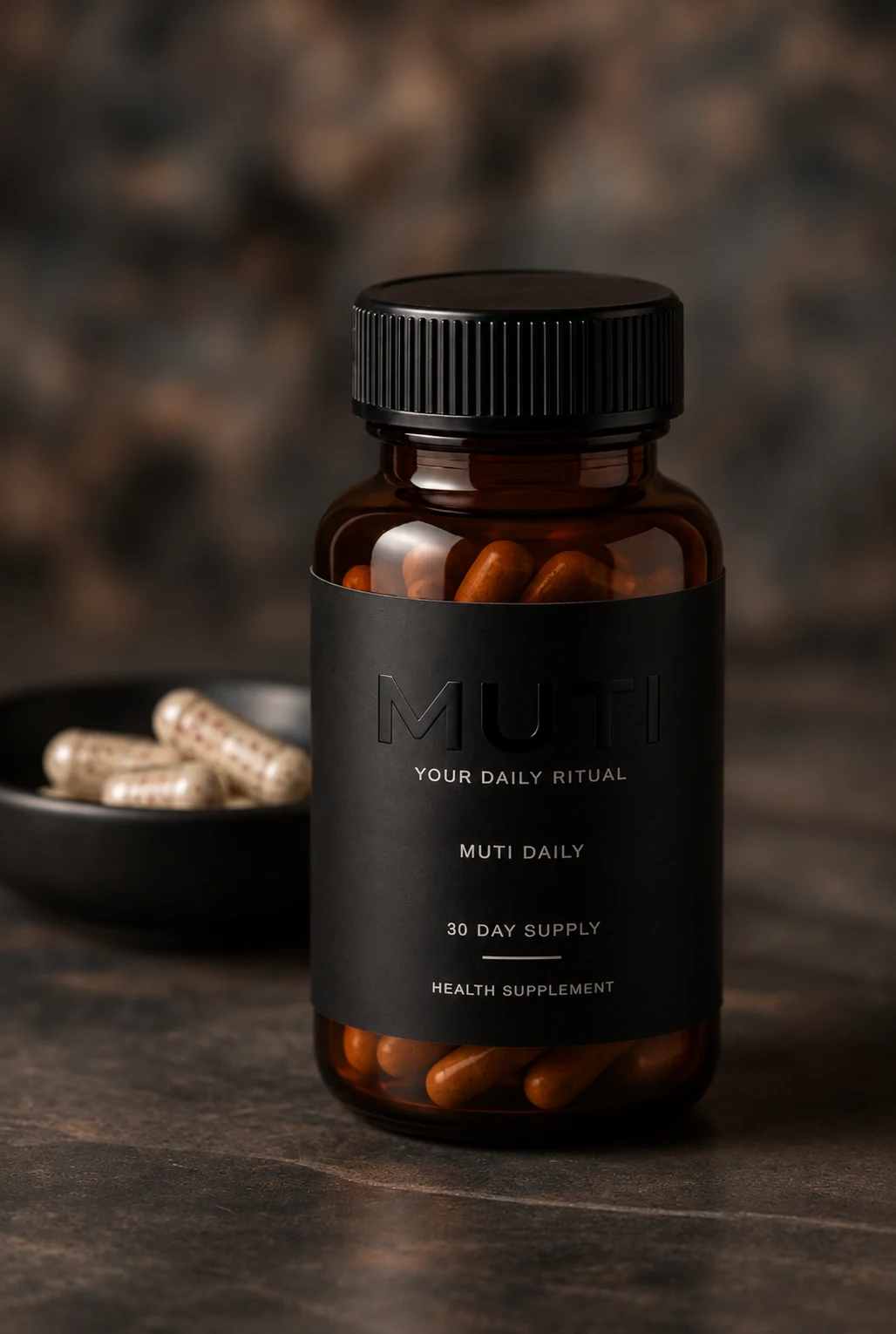
If you buy a multivitamin in South Africa, you are buying something the law treats as a medicine. Not as a food, and not as an unregulated wellness product. That surprises people, and it changes how the label in your hand should be read.
The regulator is SAHPRA, the South African Health Products Regulatory Authority. The framework is the Medicines and Related Substances Act, 101 of 1965.
Where health supplements sit
Complementary medicines fall into Category D. Category D has two sub-categories: discipline-specific medicines, covering traditions such as homeopathy, phytotherapy and Traditional Chinese Medicine, and health supplements, which is where vitamins, minerals, amino acids and probiotics sit.
So a multivitamin sold in South Africa is a complementary medicine, sub-category health supplement, Category D. It is not correct to describe it as a food supplement, and it is not correct to describe it as not a medicine.
Registered is not the same as legal
This is the part that is most often misunderstood, in both directions.
Complementary medicines in Category D were called up for registration under the General Regulations. The call-up did not mean products left the shelves. It meant they entered a process. Because that process is still working through a queue, products in this category are generally sold as unregistered while SAHPRA works through applications, and they are treated as Schedule 0, which is why you can buy them in a supermarket rather than from a pharmacist.
The practical consequence is that a product being on a South African shelf does not tell you it has been assessed by SAHPRA. That is not a scandal and it is not a loophole. It is a queue, and it is worth knowing you are looking at one.
The two statements you should see
An unregistered Category D health supplement is required to carry statements to that effect: that the product has not been evaluated by SAHPRA for its quality, safety or intended use, and that it is not intended to diagnose, treat, cure or prevent any disease.
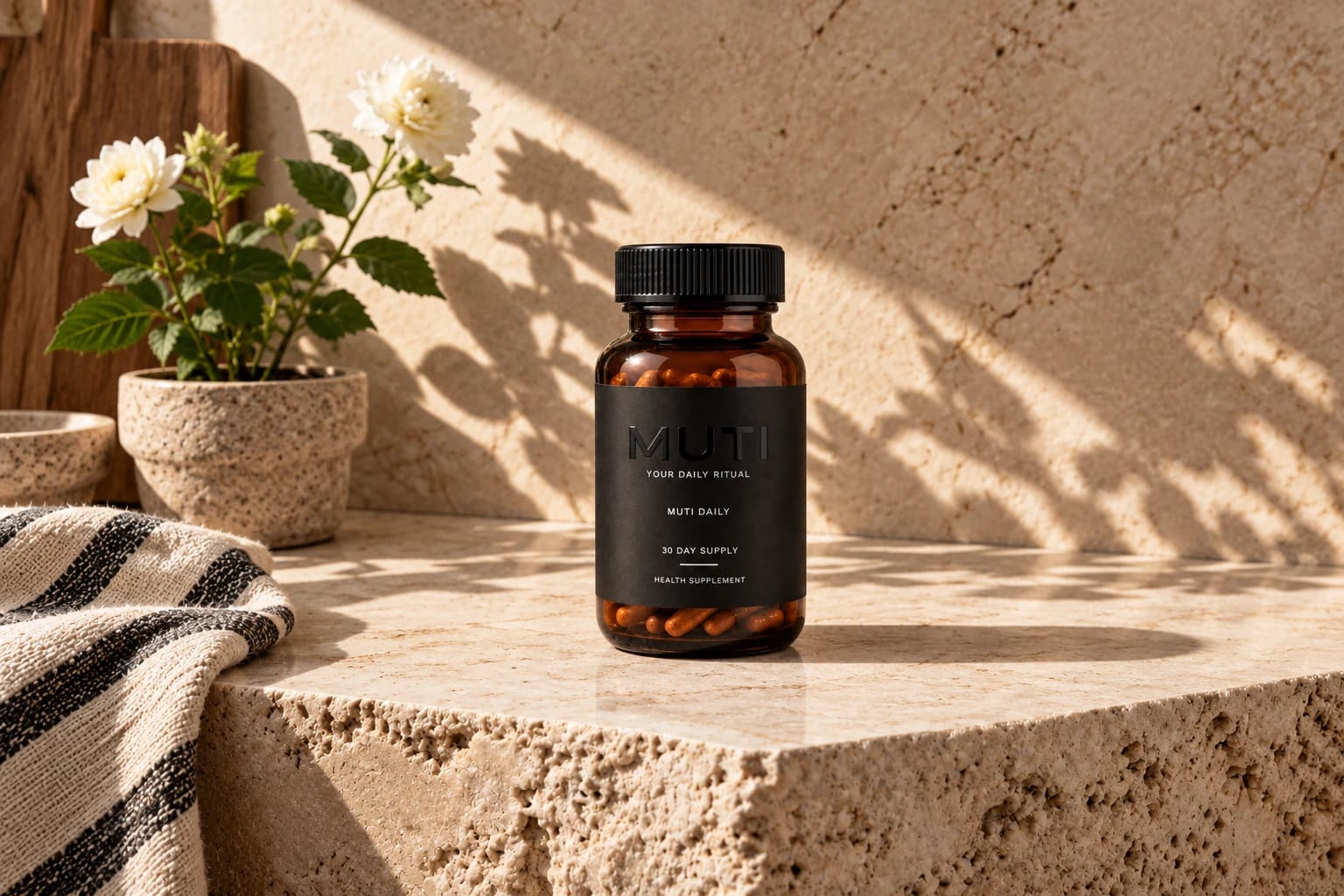
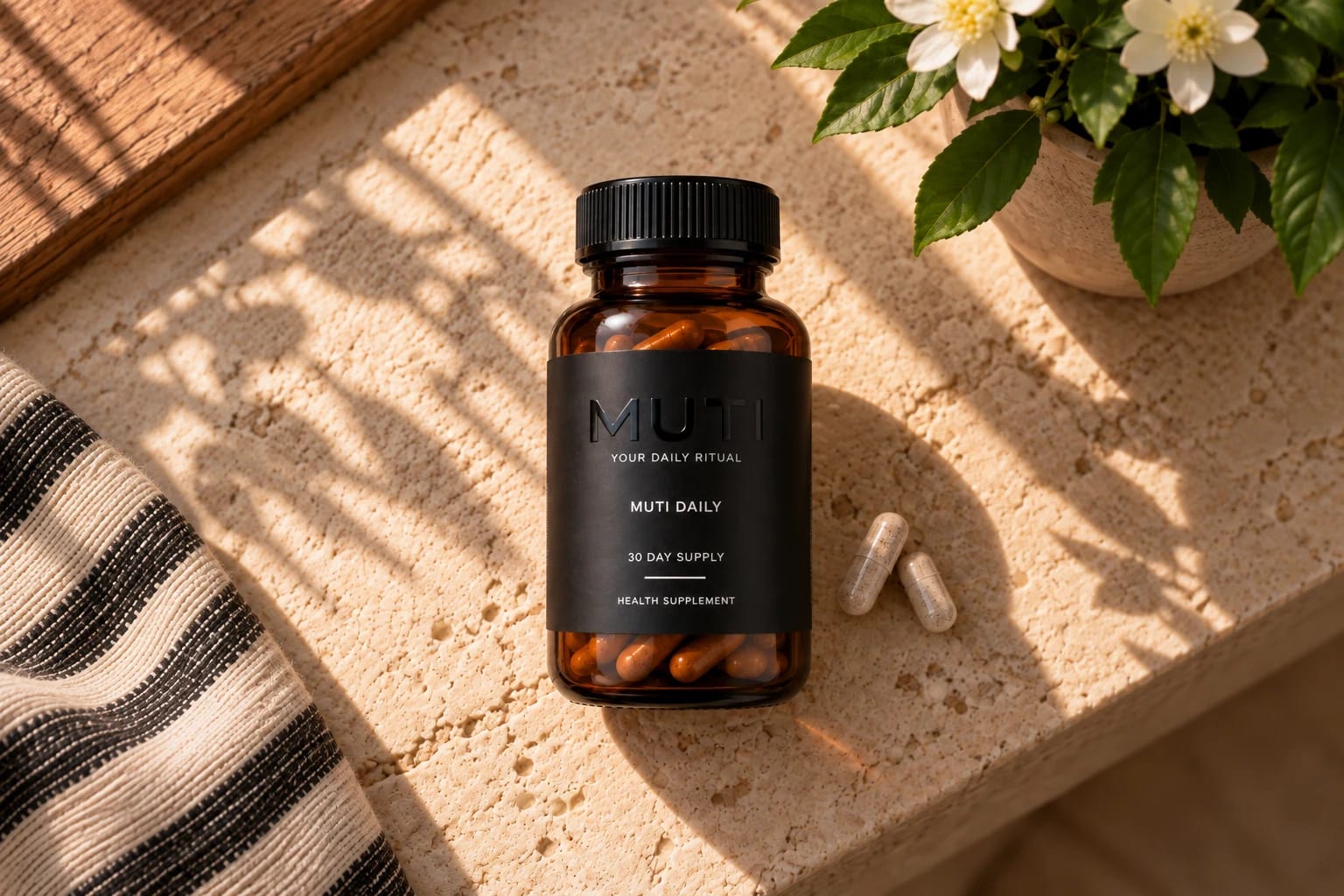
MUTI carries both, on the site and on the label. A brand that has quietly dropped them is telling you something about how it reads its other obligations.
Why the claims on the box are so careful
Category D classification is also why the language on a well-run supplement is narrower than the language in its advertising wants to be. Claims for these products are constrained, and the honest response to that constraint is to describe what is in the product rather than to imply what it will do.
That is the standard MUTI writes to. The Formula page lists twenty-three nutrients, the amount of each and the form of each. It does not tell you how you will feel, because that is not a claim anyone has cleared, and because a claim nobody cleared is worth nothing anyway.
What this means when you are choosing
- Expect the two statutory statements. Their absence is a flag.
- Do not read shelf presence as regulatory approval.
- Read specific composition claims, which can be checked, over outcome claims, which usually cannot.
- Remember that dose ceilings apply. Where a nutrient sits at the top of its permitted range, more is not available to anyone selling legally.
None of this is legal advice, and none of it is medical advice. It is a description of the framework that governs the thing in your hand, which you are entitled to understand before you spend money on it.
COMMON QUESTIONS
- Are multivitamins regulated in South Africa?
- Yes. They are classified as complementary medicines, sub-category health supplements, under Category D of the Medicines and Related Substances Act 101 of 1965, and fall under SAHPRA.
- What is a Category D health supplement?
- A complementary medicine consisting of nutrients such as vitamins, minerals, amino acids or probiotics, as distinct from the discipline-specific complementary medicines that make up the other Category D sub-category.
- Does SAHPRA approve the multivitamins on sale in South Africa?
- Not generally. Category D products were called up for registration and most are sold as unregistered while applications work through the queue, carrying statutory statements saying they have not been evaluated by SAHPRA.
- Is MUTI DAILY registered with SAHPRA?
- No. Like other Category D health supplements it is sold as unregistered and carries both required statements: that it has not been evaluated by SAHPRA for quality, safety or intended use, and that it is not intended to diagnose, treat, cure or prevent any disease.
Written by Sebastian, founder of MUTI. This journal is about habits, design and how to read the supplement industry. It is not health, nutritional or medical advice, and it makes no claims about what any supplement does. Speak to a healthcare professional about your own circumstances.